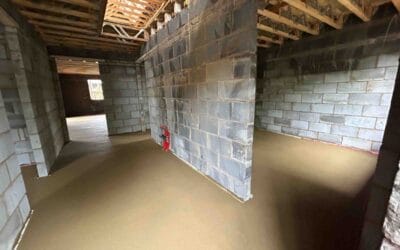
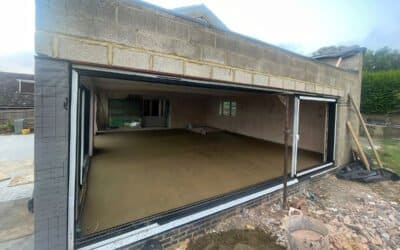
Floor screeding is the process of applying a well-mixed cementitious material, known as screed, to a floor base to create a smooth, level surface. This surface is usually prepared before laying the final floor covering, such as tiles, carpet, vinyl, or wood flooring. Screeding ensures the floor is level and stable, providing a strong and even foundation for the final floor finish.
Key Aspects of Floor Screeding:
Materials Used
Screed Mix
Screed is typically made from a mixture of cement, sand, and water. The ratio of these ingredients can vary depending on the desired properties of the screed, such as its strength and drying time. Sometimes, additives are included to enhance the screed’s performance.
Types of Screed
There are several types of screeds, including traditional sand and cement screed, liquid (flowing) screed, and fast-drying screed. Each type is chosen based on the specific requirements of the project.
Preparation:
Substrate Preparation
The existing substrate or base, which might be a concrete slab or a timber floor, is prepared before screeding. This involves cleaning the surface to remove debris, dust, or grease, and sometimes applying a primer or bonding agent to ensure good adhesion.
Damp-Proof Membrane
In some cases, a damp-proof membrane is installed to prevent moisture from the substrate from affecting the screed.
Application Process:
Mixing
The screed is mixed to a consistent texture, ensuring the correct ratios of cement, sand, and water.
Laying
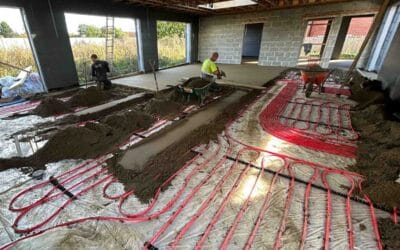
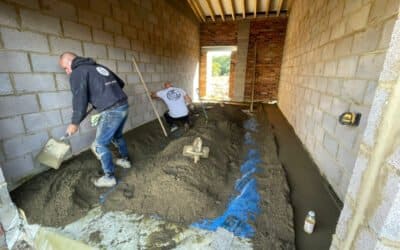
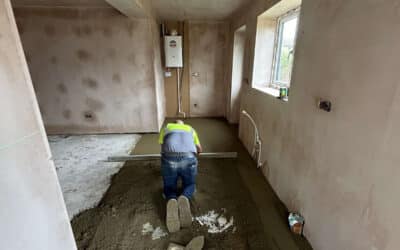
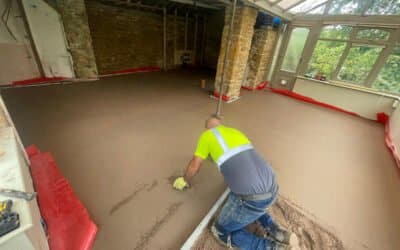
The screed is then poured or laid onto the prepared surface. It is spread evenly using a straight edge, and any air bubbles are removed to prevent weak spots.
Leveling
The screed is leveled to achieve a flat, even surface. This is crucial to ensure that the final floor covering is smooth and does not have any dips or bumps.
Compacting
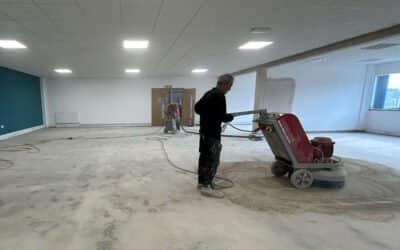
The screed is compacted to remove air pockets and increase the strength and durability of the finished surface.
Curing:
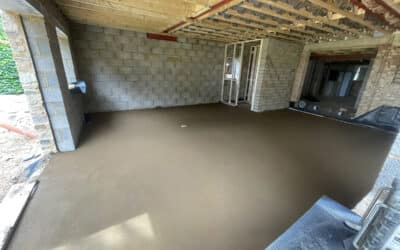
– After laying, the screed needs time to cure. This is a process where the screed hardens and gains strength. The curing time can vary depending on the type of screed used; traditional screeds might take several days to weeks to fully cure, while fast-drying screeds are ready for floor coverings within a shorter time.
– Proper curing is essential to prevent cracking or shrinking, which could compromise the integrity of the floor.
Final Finish:
– Once the screed has cured, it provides a smooth, level surface ready for the installation of the final floor covering. In some cases, a layer of self-leveling compound may be applied on top of the screed to achieve an ultra-smooth finish.
Applications of Floor Screeding:
Residential Buildings
Screeding is commonly used in homes, particularly in areas where underfloor heating systems are installed, as it provides a thermal mass that evenly distributes heat.
Commercial Spaces
In commercial buildings, screed ensures that floors are durable and level, ready to withstand heavy foot traffic and other demands.
Industrial Buildings
For industrial floors, screeds provide a durable and level base, essential for machinery and equipment.
Overall, floor screeding is a crucial step in ensuring the longevity and quality of a building’s flooring system. It creates the foundation for a stable, even floor that meets both aesthetic and functional requirements.